Investigate the Extensive Services Offered by General Contractors in the Construction Field.
CGCs play a pivotal role in the construction industry, providing various services that handle all phases of a project. Their knowledge extends from project planning and design to effective project management and adherence to safety standards. Hickory top rated Commercial General Contractor. By managing diverse subcontractors and maintaining high quality, they work to fulfill both budget limits and schedules. This comprehensive method brings up key points about the influence of their approaches on project success and client satisfaction
Defining the Function of Commercial General Contractors
Although the construction industry encompasses a variety of roles, CGCs serve a pivotal function in managing and controlling construction projects. Their responsibility is to guarantee that projects stick to design specs, budgets, and timelines. CGCs manage diverse subcontractors, including electricians, plumbers, and carpenters, to ensure that all aspects of the construction process run smoothly.
In addition, they must obtaining required permits and making certain they comply with local local codes and rules. This position demands a strong grasp of construction practices, as well as robust leadership and interpersonal skills. CGCs act as the primary point of contact for clients, handling issues and offering progress reports throughout the project’s duration. Their ability to navigate challenges while upholding quality benchmarks is essential to the successful completion of commercial building projects, thereby enhancing the efficacy and efficiency of the industry as a whole.
Coordination and Project Management

Coordination and project oversight are key factors for the success of construction projects managed by commercial general contractors. Effective communication strategies, resource management techniques, and deadline management practices are crucial in ensuring that projects are completed on time and within budget - Hickory top rated Commercial General Contractor. By excelling at these factors, contractors can enhance collaboration among stakeholders and maximize project results
Strong Communication Methods
Efficient communication methods play an essential role in the success of construction projects, as they ensure that all stakeholders are on the same page and updated throughout the process. Open lines of communication foster collaboration among architects, engineers, subcontractors, and clients, making sure everyone grasps project requirements and deadlines. Regular meetings and updates aid in spotting potential problems quickly, enabling quick fixes. Using up-to-date communication platforms, for example, PM software and smartphone applications, boosts data dissemination and keeps stakeholders in touch. Moreover, fostering a spirit of frank conversation encourages feedback and promotes transparency, which can lead to improved decision-making. Finally, successful communication approaches lead to easier project delivery and higher client approval in the construction industry.
Resource Assignment Practices
Resource allocation techniques are essential for the successful execution of construction projects, guaranteeing resources, workforce, and machinery are employed productively. Optimized resource assignment means evaluating project specifications and coordinating them with accessible assets, which aids in minimizing waste and optimizing productivity. General contractors employ various strategies, including focusing on tasks based on necessity and resource supply, to manage resources properly. Furthermore, utilizing digital tools to monitor resource consumption improves choices and flexibility. Regular evaluations of resource allocation assist in recognizing forthcoming obstacles and opportunities for enhancement, making rapid changes possible. Via employing these practices, construction firms can preserve project velocity, control costs, and ultimately achieve project goals inside the established boundaries.
Methods for Schedule Control
Controlling schedules in building projects demands careful foresight and synchronization to ensure every stage of the project advances seamlessly. Commercial general contractors utilize various timeline management practices to enhance efficiency and secure timely project completion. These techniques cover drafting elaborate timetables, utilizing project management software, and performing routine advancement evaluations. By defining explicit cutoff dates and goals, firms can successfully oversee development and tackle forthcoming delays rapidly. Additionally, they establish communication protocols connecting subcontractors, vendors, and stakeholders to ease communication movement and prevent miscommunications. Anticipatory risk mitigation techniques additionally assist in sticking to the timeline, facilitating changes to address unanticipated problems. Crucially, efficient time management is fundamental for accomplishing project aims and keeping clients happy in the competitive construction industry.
Services for Design and Preparation
Pre-construction and design services are key aspects of the construction process, centering on effective concept development strategies. Such strategies help ensure that project goals align with real-world execution, while architectural coordination processes facilitate seamless collaboration among stakeholders. By focusing on these components, commercial general contractors can boost project success and efficiency.
Concept Development Strategies
While a project's success is often determined by its initial concept, efficient concept development methods play an essential role in transforming ideas into actionable plans. These approaches utilize a systematic approach encompassing in-depth research, engaging stakeholders, and feasibility assessments. By working closely with clients and stakeholders, commercial general contractors can identify project goals and constraints in the initial stages. This partnership promotes innovation while ensuring alignment with budgetary and regulatory requirements. In addition, prototypes and visualizations are utilized to refine concepts, permitting modifications prior to major investments. Ultimately, well-executed concept development strategies do more than just streamline the transition from vision to reality and also minimize potential problems, establishing the foundation for a successful construction project.
Architectural Coordination Efforts
Effective architectural coordination processes are essential for the successful execution of construction projects. Such processes demand careful collaboration among architects, engineers, and contractors to ensure that design intentions are accurately translated into tangible structures. Commercial general contractors are instrumental in facilitating communication and aligning project goals. They manage the integration of various design elements, resolving potential conflicts early in the planning phase. This proactive approach minimizes costly delays and rework, leading to a smoother workflow. Furthermore, strong architectural coordination ensures compliance with local regulations and building codes, boosting project success. Through streamlining design changes and optimizing resource allocation, these efforts help improve the overall efficiency and quality of construction outcomes, providing projects that satisfy client expectations and standards.
Budgeting and Financial Oversight
Budgeting and financial oversight are essential elements of successful construction projects, guaranteeing that resources are allocated efficiently and expenditures remain within established limits. Construction managers play an essential role in this aspect by carefully crafting financial plans that encompass the entirety of the project, including materials, labor, and unforeseen contingencies. Their expertise allows for reliable projections, which is essential for averting extra expenses and ensuring fiscal soundness.
Beyond this, general contractors implement rigorous financial monitoring throughout the project lifecycle. Contractors monitor expenditures relative to the budget, modifying resource distribution when needed to accommodate changes in project scope or surprise expenditures. This explanation proactive management protects the fiscal well-being of the project but also encourages clear reporting with stakeholders regarding budgetary status. By employing detailed reports and frequent status checks, general contractors make certain all stakeholders are aware, thereby enhancing trust and collaboration throughout the construction process.
Ensuring Quality and Adhering to Safety Standards
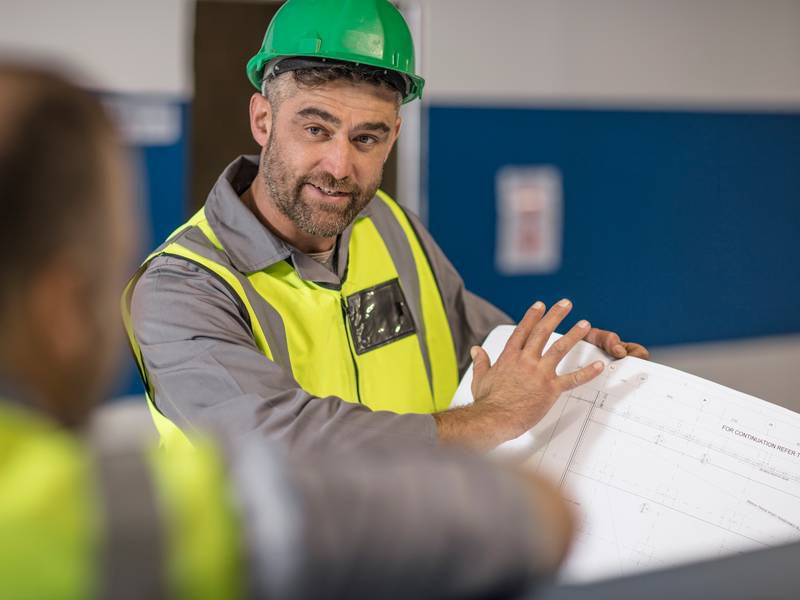
Maintaining high quality and ensuring safety are critical concerns in the construction industry, making certain projects adhere to defined benchmarks while safeguarding the welfare and safety of all workers involved. Commercial general contractors implement thorough quality checks by performing routine check-ups, verifying supplies, and confirming compliance with requirements. This approach aids in detecting issues promptly, cutting down on costly fixes and setbacks.
Adhering to safety rules is just as vital; contractors adhere to Occupational Safety and Health Administration (OSHA) regulations and established sector norms to create a secure work environment. This encompasses supplying necessary education, personal protective equipment, and ensuring open dialogue regarding safety protocols.
Support and Services After Construction
Once construction is completed, commercial general contractors provide essential post-construction services and support to guarantee the project continues to meet the client's needs. This support typically involves detailed checks to confirm adherence to requirements and local regulations. Contractors may also engage in warranty management, dealing with defects that surface after the project handover.
In addition, contractors supply upkeep assistance, assisting owners with facility maintenance to prolong its lifespan and ensure full operation. Instructional classes for personnel regarding systems and machinery are often part of the package to boost day-to-day effectiveness.
In addition, they commonly aid in project closeout documentation, ensuring that all relevant information is organized and accessible for later use. This ongoing support builds a long-term connection between contractors and clients, fostering trust and satisfaction while promoting accountability in the construction process. Fundamentally, post-completion support are instrumental in the project's long-term success.
Frequently Asked Questions
What Types of Projects Do General Contractors Usually Manage?
Construction managers typically handle a wide array of jobs, including office buildings, retail spaces, industrial complexes, hospitals and clinics, learning centers, and housing developments, making sure every job adheres to sector benchmarks and owner demands with competence.
How Do I Choose the Ideal General Contractor for My Development?
For selecting the ideal CGT, one should evaluate their experience, check references, assess their financial stability, look at completed jobs, and mandate open discussion about schedules and budgets for efficient oversight.
What Obstacles Faced During Construction Projects?

Common challenges encountered during building work include budget overruns, scheduling delays, lack of skilled workers, regulatory compliance, surprising subsurface problems, and communication issues between involved parties. These challenges often complicate the completion of the job and can lead to increased costs and longer durations.
How Do Firms Maintain Conformity With Local Building Codes?
Contractors guarantee compliance with local building codes by carefully studying the rules, carrying out routine examinations, partnering with government agencies, and maintaining detailed documentation during the entire build phase to reduce potential hazards and meet safety requirements.
What Coverage or Safeguards Do Contractors Usually Provide Once the Job is Finished?
Firms commonly issue assurances for labor and supplies, with durations ranging from 1 to 10 years. These assurances frequently cover fixing flaws, giving owners access to quality assurance and confidence post-project completion.